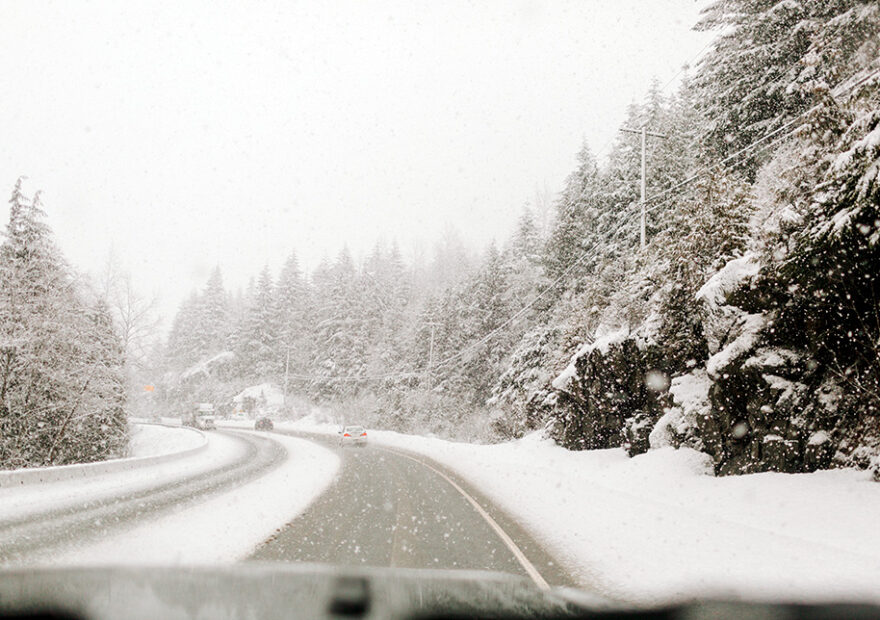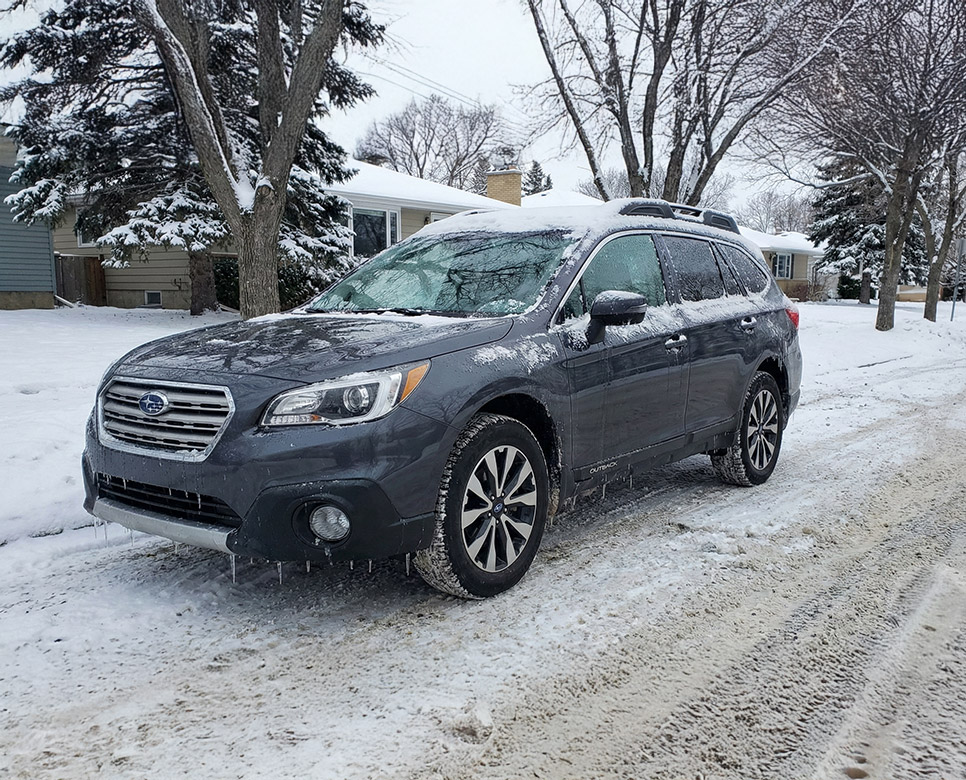
Winter has arrived in Colorado, and with it comes the annual ritual of scraping ice, battling frozen windshields, and dealing with the challenges of cold-weather driving. If you’re like most Denver-area drivers, you’ve probably developed some morning routines for dealing with your frozen windshield. But here’s the thing—some of those habits that seem harmless, or even helpful, could actually be causing serious damage to your auto glass.
Your windshield goes through a lot during Colorado winters. Between temperature swings that can vary 40 degrees in a single day, the freeze-thaw cycles we experience along the Front Range, and the stress of ice and snow, your auto glass is already under considerable strain. The last thing you want to do is add to that stress with techniques that seem convenient but are actually harmful.
This guide covers the most common mistakes people make with their windshields during cold weather. Some of these might surprise you—you might even be doing a few of them right now. Let’s talk about what to avoid and, just as importantly, why these practices are problematic and what you should do instead.
1. Don’t Pour Hot Water on Your Frozen Windshield
This is probably the most common cold-weather windshield mistake, and it’s also one of the most dangerous. On a freezing morning when you’re running late and your windshield is covered in a thick layer of ice, the temptation to grab a pot of hot water from the kitchen seems like a quick solution. After all, hot water melts ice, right?
Here’s why this is a terrible idea: Glass expands and contracts with temperature changes, and windshield glass is no exception. When you pour hot or boiling water onto a frozen windshield, you’re creating an extreme and sudden temperature difference. The glass goes from well below freezing to potentially 150-200°F in seconds. This rapid temperature change creates severe thermal stress, and glass doesn’t handle that kind of shock well.
The result? Your windshield can crack, shatter, or develop stress fractures that spread over time. Even if you don’t see an immediate crack, you may have created microscopic damage that will worsen later. And here’s something that makes it even worse—if you already have a small chip or crack in your windshield (even one you haven’t noticed yet), the thermal shock from hot water will almost certainly cause it to spread dramatically.
Many drivers who tried this “quick fix” watched in horror as a crack spread across their entire windshield in seconds. What started as trying to save ten minutes ended up costing them a full windshield replacement and making them late anyway.
What to do instead: Use your vehicle’s defrost system properly (more on this later), an ice scraper designed for auto glass, or a de-icing spray specifically formulated for windshields. Yes, these methods take a bit longer, but they won’t destroy your windshield in the process.
2. Don’t Use Room Temperature or Warm Water Either
You might be thinking, “Okay, I won’t use hot water, but surely lukewarm or room temperature water is fine, right?” Unfortunately, even water that doesn’t feel hot to your hand can still cause problems.
Room temperature water (around 70°F) is still 100+ degrees warmer than a windshield that’s been sitting outside in 20°F weather overnight. While the temperature differential isn’t as extreme as with boiling water, it’s still enough to create thermal stress, especially if your windshield already has any existing damage or weak points.
There’s another problem with using any water on a frozen windshield: refreezing. That room-temperature water you just poured on your windshield? It’s going to freeze almost immediately in cold conditions, potentially creating an even thicker layer of ice than you started with. Now you’ve made the problem worse and you’re still stuck scraping ice, except now it’s ice that you created.
Some people try to get around this by using water with salt mixed in to lower the freezing point. While this might keep the water from refreezing quite as quickly, you’re now introducing road salt directly onto your windshield, which can damage the glass, corrode wiper components, and create a filmy residue that’s difficult to remove.
What to do instead: Stick with methods that don’t involve rapid temperature changes. A proper ice scraper, your vehicle’s defrost system, and de-icing products designed for automotive use are your best options.
3. Don’t Turn On Your Wipers When They’re Frozen to the Glass
Picture this scenario: you start your car on a cold morning, and out of habit, you immediately flip on the wipers to clear the windshield. Except the wipers don’t move—or worse, they try to move but are stuck to the frozen windshield, creating a horrible grinding sound as the wiper motor strains against the ice.
This is one of those mistakes that happens so quickly you don’t even realize what you’ve done until you hear that awful noise. When wiper blades freeze to your windshield (and they absolutely will in Denver winters), activating them can cause several types of damage.
First, you’re putting enormous strain on your wiper motor. These motors aren’t designed to overcome the resistance of blades frozen to glass, and forcing them to work under these conditions can burn out the motor or strip the gears. Wiper motor replacement isn’t cheap—you’re looking at $150-300 for parts and labor in most vehicles.
Second, you can tear or damage the rubber blade itself. When the blade is frozen solid and you force it to move, the rubber can tear away from the blade assembly. Even if it doesn’t tear completely, you’ll likely damage the edge of the blade, which will leave streaks on your windshield and reduce visibility even after the weather warms up.
Third, frozen wiper blades dragging across your windshield can actually scratch the glass. Ice crystals are hard, and when they’re embedded in a rubber blade that’s being forced across your windshield with considerable pressure, they act like sandpaper. These scratches might not be immediately visible, but they’ll scatter light and create glare when driving at night or into low-angle sunlight.
What to do instead: Before turning on your wipers, gently lift them away from the windshield to ensure they’re not frozen in place. If they are frozen, either wait for your defrost to thaw them, or carefully brush ice off the blades with your gloved hand. Some people lift their wipers away from the windshield overnight when snow is forecast (though this has its own controversies, which we’ll discuss later). Once you’ve confirmed the blades are free and you’ve cleared the windshield, then you can activate your wipers.
4. Don’t Blast Your Defrost on High Heat Immediately
When you first start your freezing cold car on a winter morning, the instinct is to crank that defrost dial all the way up to maximum heat. More heat means faster melting, right? Not exactly, and this approach can actually create problems.
Your engine needs time to warm up before it’s producing truly hot air. When you set the defrost to maximum immediately, you’re initially blowing cold or barely warm air directly onto your frozen windshield. Then, as your engine warms up over the next several minutes, that air gets progressively hotter until eventually it’s blowing very hot air onto cold glass. This creates the same kind of thermal shock we talked about with hot water, just slightly less dramatic.
The effect is worse if you’ve got any existing chips or cracks in your windshield. That small chip from a rock on I-70 last month? The thermal stress from rapid heating can cause it to spider web and spread across your windshield. I’ve had customers tell me they watched small chips suddenly become 12-inch cracks while sitting in their driveway waiting for the car to warm up.
Additionally, blasting hot air onto frozen glass can cause the ice to partially melt on the exterior surface while the interior side of the glass is still warming up. This uneven temperature distribution across the glass thickness creates internal stress that contributes to cracking.
What to do instead: Start your defrost on a lower setting and gradually increase it as your engine warms up. Many modern vehicles have “defrost” modes that automatically regulate the temperature increase to avoid thermal shock. If your car doesn’t have this feature, start with warm (not hot) air, and increase the temperature gradually over 5-10 minutes. Yes, this means you’ll need to budget a few extra minutes on cold mornings, but it’s far better than watching a crack spread across your windshield. Some drivers start their car, turn on the defrost at a moderate setting, then go back inside to finish their coffee while the car warms up gradually. By the time you return, the windshield has defrosted safely without the thermal shock.
5. Don’t Ignore Small Chips and Cracks During Winter
You might have a small chip in your windshield that’s been there since summer. It’s tiny—maybe the size of a quarter or smaller—and you’ve been meaning to get it repaired but it hasn’t seemed urgent. Then winter arrives, and you figure you’ll just deal with it when spring comes around. After all, it’s been fine for months, so what’s a few more?
Here’s the problem: cold weather is incredibly hard on damaged windshields. When temperatures drop, glass contracts. When temperatures rise, glass expands. During a typical Front Range winter day, your windshield might go through several of these expansion and contraction cycles. If you’ve got a chip or crack, each of these cycles puts stress on the damaged area.
Water is another factor that makes winter particularly problematic for windshield damage. Moisture gets into that chip during rain or snow, and when temperatures drop below freezing, that water turns to ice. Ice expands as it freezes—that’s why pipes burst in winter—and when water freezes inside a windshield chip, it literally pushes the crack open wider from the inside. The next day, it might thaw and refreeze again that night. Each freeze-thaw cycle makes the damage worse.
Road vibrations and the general stress of winter driving compound the problem. Potholes that develop from freezing and thawing, rough roads, and the jarring from hitting patches of ice all contribute additional stress to an already compromised windshield.
What starts as a repairable chip in November can easily become a crack that spans your entire windshield by February. And here’s the expensive part: chips are cheap and quick to repair, often covered 100% by insurance with no deductible. Full windshield replacement costs hundreds of dollars and takes much longer.
What to do instead: Get any chips or cracks repaired before winter hits. If you discover damage during winter, don’t wait—get it repaired as soon as possible, preferably before the next cold snap. The repair process takes about 30 minutes in most cases and can prevent thousands of dollars in eventual replacement costs. At Precision Auto Glass, we can assess whether your damage is still repairable or if it’s progressed to the point where replacement is necessary.
6. Don’t Use Metal Scrapers or Sharp Objects on Your Windshield
When you’re facing a thick coating of ice on your windshield and your plastic scraper doesn’t seem to be making progress, the temptation to grab something more aggressive is real. Maybe you’ve got a metal putty knife in the garage, or you think about using a chisel, or even the edge of a shovel. Don’t do it.
Glass is hard, but it’s also surprisingly easy to scratch with certain materials. Metal scrapers and sharp objects can absolutely scratch your windshield, creating permanent damage that affects visibility. These scratches might not be obvious right away, but they’ll become very apparent when driving toward the sun or at night when oncoming headlights hit your windshield. The scratches scatter light and create glare, making it difficult and dangerous to see.
Even if you’re careful and don’t think you’re pressing very hard, metal edges can catch on invisible imperfections in the glass and create deep gouges before you realize what’s happening. And unlike chips from rocks, scratches can’t be repaired—if they’re deep enough to affect visibility, your only option is windshield replacement.
Kitchen knives, ice picks, screwdrivers, and other metal tools people sometimes grab in desperation are all terrible choices for ice removal. I’ve seen windshields that looked like someone attacked them with a fork because the owner used whatever was handy without thinking about the consequences.
What to do instead: Invest in a quality plastic ice scraper designed specifically for automotive glass. Look for one with a thick, sturdy blade that won’t flex too much, and consider one with a brush on the other end for clearing snow. Some scrapers have built-in grips that make the scraping motion easier on your hands. If ice is particularly stubborn, use a de-icing spray to soften it first, then scrape. The combination of chemical de-icer and proper scraping technique will remove even the most stubborn ice without risking damage to your glass.
7. Don’t Use Household Cleaners or De-Icers Not Designed for Auto Glass
When you discover you’re out of proper windshield de-icer, the temptation to improvise with household products is understandable. Maybe you’ve got Windex, rubbing alcohol, vinegar, or even household de-icing salt in the garage. While some of these might technically melt ice or clean glass, they’re not formulated for automotive applications and can cause unexpected problems.
Household glass cleaners like Windex contain ammonia and other chemicals that can damage your windshield’s exterior coatings. Many modern windshields have UV protection, rain-repellent coatings, or other treatments that can be compromised by harsh household chemicals. These cleaners can also damage rubber wiper blades, window seals, and your car’s paint if they drip down the windshield.
Rubbing alcohol will melt ice, but at high concentrations it can damage rubber components and certain plastics around your windshield. It also evaporates quickly, which means you might be breathing in the fumes in your enclosed garage without realizing it.
Table salt or sidewalk salt might melt ice, but it’s incredibly corrosive. Using it on your windshield will accelerate corrosion of your wiper assemblies, the metal trim around your windshield, and even the windshield’s mounting points. Salt also leaves a filmy residue on glass that’s difficult to remove and affects visibility.
Vinegar solutions are popular in DIY circles, but straight vinegar is acidic enough to potentially etch glass over time, especially if you use it repeatedly. While diluted vinegar in small amounts might not cause immediate damage, it’s not worth the risk when proper products are available and affordable.
What to do instead: Use de-icing products specifically formulated for automotive windshields. These products are designed to melt ice quickly without damaging glass, coatings, rubber, or paint. They’re widely available at gas stations, auto parts stores, and big-box retailers throughout the Denver area. A bottle typically costs $5-10 and lasts all season. If you prefer DIY solutions, a properly formulated homemade windshield washer fluid (which we discussed in our comprehensive washer fluid guide) is fine for your washer reservoir, but for direct ice melting, commercial products are your safest bet.
8. Don’t Slam Car Doors When Your Windshield Is Frozen
This one surprises people, but it’s absolutely worth mentioning. When your windshield is frozen solid and under temperature-related stress, slamming your car doors can generate just enough vibration and pressure change to cause existing damage to spread, or in rare cases, even cause new cracks to form.
Here’s the science: when you slam a car door, you create a pressure wave inside your vehicle’s cabin. The car is essentially a sealed box, and that sudden pressure increase has to go somewhere. It pushes against all the windows, including your windshield. Under normal conditions, this isn’t a problem—windshields are designed to handle these pressure fluctuations.
But when your windshield is frozen and brittle from cold temperatures, and especially if it already has any chips, cracks, or stress points, that pressure wave combined with the vibration from the door slam can be enough to propagate a crack. I’ve talked to customers who watched small chips suddenly spider web right after someone slammed a door on a particularly cold morning.
The effect is more pronounced in older vehicles where the weatherstripping around doors might be worn, allowing for greater pressure changes. It’s also worse if you’ve got multiple people getting in the car at once, each slamming doors. Those multiple pressure waves and vibrations hitting in quick succession increase the stress on the glass.
What to do instead: Close doors gently during cold weather, especially if you know your windshield has any existing damage. Teach your kids and passengers to do the same. It takes literally one extra second to close a door normally instead of slamming it, and that small courtesy to your windshield can prevent expensive damage. This is one of those preventive measures that costs nothing but can save you hundreds of dollars.
9. Don’t Use Makeshift Scrapers Like Credit Cards or CDs
In a pinch, people get creative. You’re at the ski resort, you didn’t bring your ice scraper, and your windshield is covered in ice. Someone suggests using a credit card, or maybe there’s an old CD case in your car. These seem like they’d work, right? They’re plastic, they’ve got edges—they should be safer than metal, at least.
The problem is that these items aren’t designed for scraping ice. Credit cards are too thin and flexible to apply effective pressure, which means you end up pressing harder to compensate, increasing the risk of scratching. They also have sharp corners that can gouge glass if you’re not extremely careful. That old Blockbuster card or expired credit card might seem expendable, but it can cause damage that lasts long after the card has been thrown away.
CDs and DVDs are even worse. The hard plastic they’re made from is actually harder than you think, and the edges can be surprisingly sharp. They’re also brittle and can break apart while you’re scraping, leaving sharp plastic fragments that can scratch your windshield. Plus, they’re the wrong shape and size for efficient ice removal—you’ll spend forever trying to clear even a small area.
Kitchen spatulas, plastic rulers, and other random household items people use are similarly problematic. They’re not designed with the right edge geometry, they’re not made from the right materials, and they’re often contaminated with dirt or particles that will scratch your glass as you scrape.
What to do instead: Keep a proper ice scraper in your vehicle at all times during winter. Better yet, keep two—one in your car and a spare in your garage or by your front door. They’re inexpensive (usually $5-15 for a good one) and will save you from having to improvise with inappropriate tools. If you’re caught somewhere without your scraper, it’s better to use your defrost system and wait a bit longer than to risk damaging your windshield with whatever random object you can find. Many ski areas and mountain parking lots actually have scrapers available for purchase in nearby shops specifically because tourists frequently arrive unprepared.
10. Don’t Forget to Clear Snow from Your Roof Before Driving
This might not seem directly related to your windshield, but it absolutely is. That thick layer of snow sitting on your car’s roof? When you accelerate, brake, or simply drive down the road, chunks of that snow are going to slide forward right onto your windshield. If the snow has partially melted and refrozen into ice, you’re now dealing with sheets of ice crashing down onto your windshield while you’re driving.
I’ve seen this happen countless times on Denver-area highways. Someone pulls out of their driveway with six inches of snow on their roof because they only cleared their windshield and side windows. They hit the brakes at the first stoplight, and suddenly their entire windshield is covered with snow that avalanched forward. Now they can’t see, they’re blocking traffic, and they’ve created a dangerous situation for everyone around them.
The problem gets worse at highway speeds. That snow can blow off your roof and hit the windshields of cars behind you, creating hazards for other drivers. It’s actually illegal in some states to drive with snow covering your vehicle for exactly this reason. And if a chunk of ice flies off your vehicle and damages another car, you can be held liable.
But here’s the windshield-specific concern: when a large amount of snow or ice suddenly dumps onto your windshield while you’re driving, your instinct is to immediately turn on the wipers to clear it. But your wipers aren’t designed to handle that much weight and resistance. You can damage the wiper mechanism, tear the blades, or even crack your windshield from the impact if a particularly heavy chunk of ice hits the glass.
What to do instead: Before driving, clear all the snow from your entire vehicle—roof, hood, trunk, and windows. Use a snow brush with an extendable handle to reach your roof safely. This adds a few minutes to your winter morning routine, but it’s essential for your safety and the safety of other drivers. If you’ve got thick ice on your roof that won’t brush off, let your car warm up longer until it loosens, or use a plastic ice scraper designed for auto body use (not your windshield scraper). There are also roof-specific snow removal tools available that make this job easier, especially for taller SUVs and trucks.
11. Don’t Leave Wiper Blades Up Overnight (Unless You Know What You’re Doing)
This one is controversial, and you’ll find people who swear by both approaches. Some drivers religiously lift their wiper blades off the windshield whenever snow is forecast, while others insist you should never do this. Let’s break down both sides.
The argument for lifting wipers is straightforward: if snow and ice accumulate overnight, your blades won’t freeze to your windshield, and you won’t have to waste time in the morning trying to free them. You also won’t risk turning on frozen wipers and damaging the motor or blades.
Here’s the problem: wiper arms are spring-loaded. They’re designed to rest against your windshield and apply consistent pressure to the blade while it’s operating. When you lift them up and leave them in that position overnight, you’re putting sustained tension on the spring mechanism. Over time, this can weaken the spring, reducing the pressure the blade applies to your windshield when you’re actually using it. Weak wiper pressure means poor windshield clearing and reduced visibility.
There’s another risk: in windy conditions, those lifted wiper arms can slam back down onto your windshield. If this happens with enough force—and winter winds in Colorado can definitely provide that force—the metal wiper arm can crack or chip your windshield. I’ve personally seen windshields damaged this way, with a perfect impact point right where the wiper arm came crashing down.
Lifted wipers can also ice up just as easily in their raised position, and now you’ve got frozen wiper assemblies that are potentially damaged springs and pose a falling hazard.
What to do instead: The best approach is to protect your wipers without lifting them. You can buy wiper blade covers that slip over the blades to prevent them from freezing to the windshield. Some people place a towel or cloth over their windshield and wipers overnight (secured so it doesn’t blow away), which prevents ice buildup on both the glass and blades. If you do choose to lift your wipers, do so carefully, don’t leave them up longer than necessary, and be mindful of wind conditions. Personally, I recommend leaving them down and using your defrost system properly in the morning, or using the towel method for overnight protection.
12. Don’t Park Under Trees or in Spots Where Ice Can Fall
Where you park your vehicle during winter matters more than you might think. Parking under trees might seem like a good idea because the branches provide some shelter from falling snow. But those same branches collect snow and ice, which can come crashing down onto your vehicle—and specifically onto your windshield—with considerable force.
A large chunk of ice falling from even a moderate height can crack or shatter a windshield. I’ve seen the aftermath of parking lot trees dropping ice bombs onto cars below, and the damage can be severe. It’s not just falling ice from branches you need to worry about either. Buildings with overhangs, rooflines, and gutters can accumulate ice that eventually releases and falls. If your car is parked directly below, your windshield is in the line of fire.
In Denver’s downtown areas and parking structures, icicles forming on upper levels or building features can grow quite large during cold spells. When temperatures rise or wind dislodges them, they fall like spears. I’ve heard stories of icicles punching through windshields because they fell from height and hit with a point-first impact.
Even indirect ice fall can cause problems. That ice that falls onto your hood can slide forward onto your windshield when you start driving. Or it might sit on your hood absorbing sunlight until it partially melts, then refreezes into a thick, hard-to-remove layer on your windshield when temperatures drop again that night.
What to do instead: When parking during winter, survey the area above your vehicle. Look for trees with ice-laden branches, building overhangs, gutters with icicles, or any other potential sources of falling ice. Choose parking spots in open areas where there’s nothing above your vehicle. If you must park in a covered structure, try to park on the top level or in an area where the structure design doesn’t create ice buildup directly above parking spaces. In your own driveway or garage, trim back tree branches that overhang where you park. If you don’t have control over your parking situation (like in an apartment complex), consider using a windshield cover or moving your car temporarily during ice storms if possible.
The Bottom Line: Prevention Is Cheaper Than Repair
These twelve don’ts might seem like a lot to remember, but most of them boil down to common sense and patience. Your windshield is under enough stress during Colorado winters without you adding to it through damaging practices. The few extra minutes you spend using proper techniques and tools will pay off in avoiding expensive repairs or replacement.
Remember that your windshield isn’t just a piece of glass—it’s a structural component of your vehicle and a critical safety feature. It contributes to your car’s overall strength in a collision, it keeps you inside the vehicle during an accident, and it provides the clear visibility you need to drive safely. Damaging it through impatience or using the wrong techniques can compromise all of these safety functions.
Most windshield damage during winter is completely preventable. It comes down to using the right tools, taking your time, and respecting the fact that glass doesn’t respond well to thermal shock, physical abuse, or harsh chemicals. Your windshield will thank you for the care, and your wallet will thank you when you’re not facing an unexpected replacement bill in the middle of winter.